Bresaola with Citrus

179 kcal
Bresaola with citrus – dried meat prepared from beef tenderloin. The traditional blend of spices is somewhat different however the addition of a citrus note gives the bresaola a new and interesting flavor. Surprisingly bresaola can also be prepared at home though it requires some effort. The meat must be cured in a special refrigerator although a regular one can be used but not a no frost system. In such refrigerators the meat lacks humidity and dries quickly on the outside forming a crust (case hardening). However, inside it remains moist and not cured at all. With proper curing mold will appear on the surface of the bresaola. Make sure it is white mold and not green. If you do not like mold the bresaola can be wiped with vinegar dried and hung again. Another small tip: to ensure even curing it is better to turn the bresaola from time to time. Hang it first from one end then from the other. Sometimes the meat dries on top while remaining very moist underneath.
Ingredients for Bresaola with Citrus
How to Cook Bresaola with Citrus
Step Title
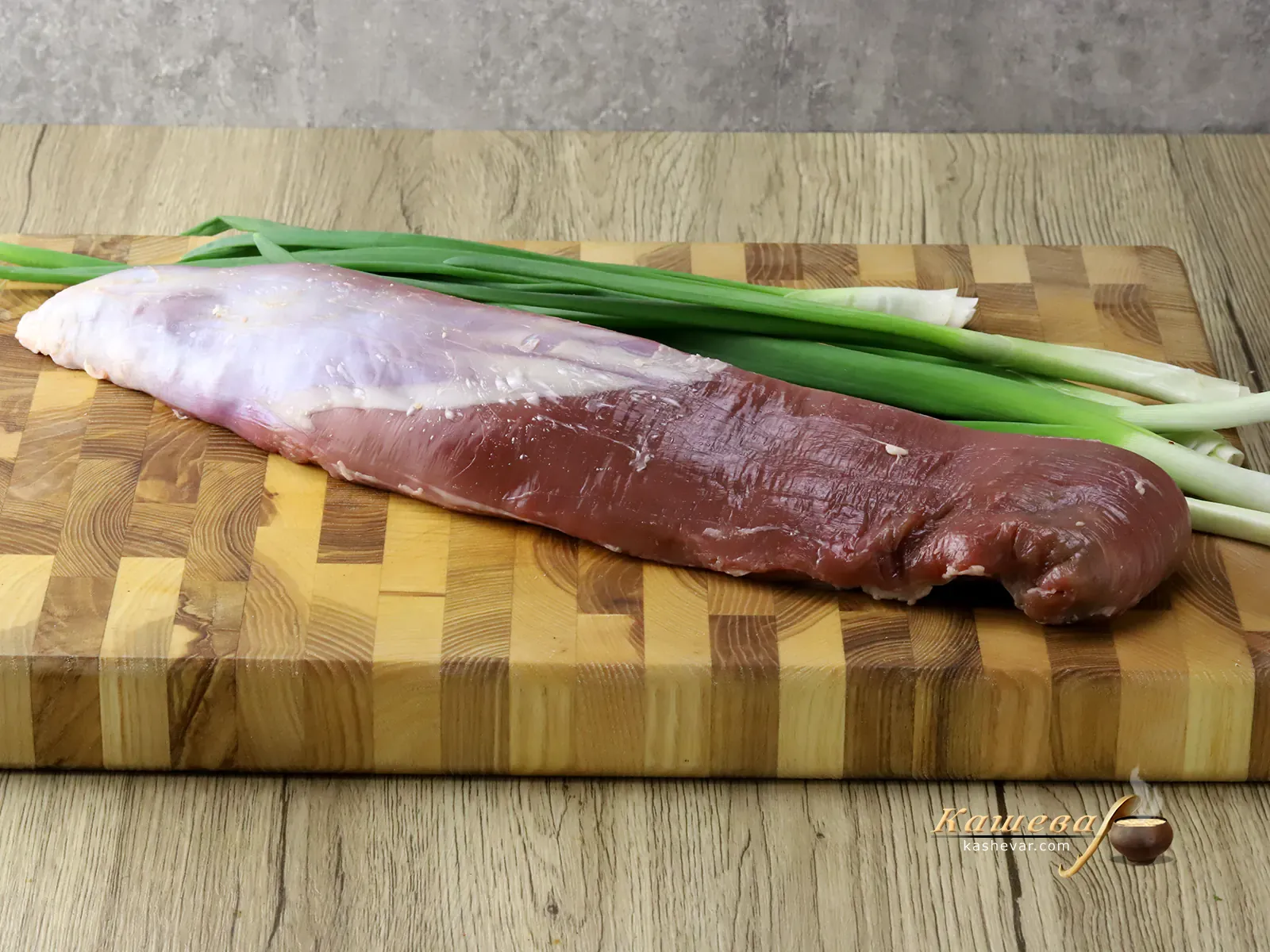
Prepare the Beef Tenderloin
Trim all membranes connective tissues and excess fat from the tenderloin. The surface of the meat should be clean and even as fat layers may turn rancid during curing and affect the flavor.
Step Title
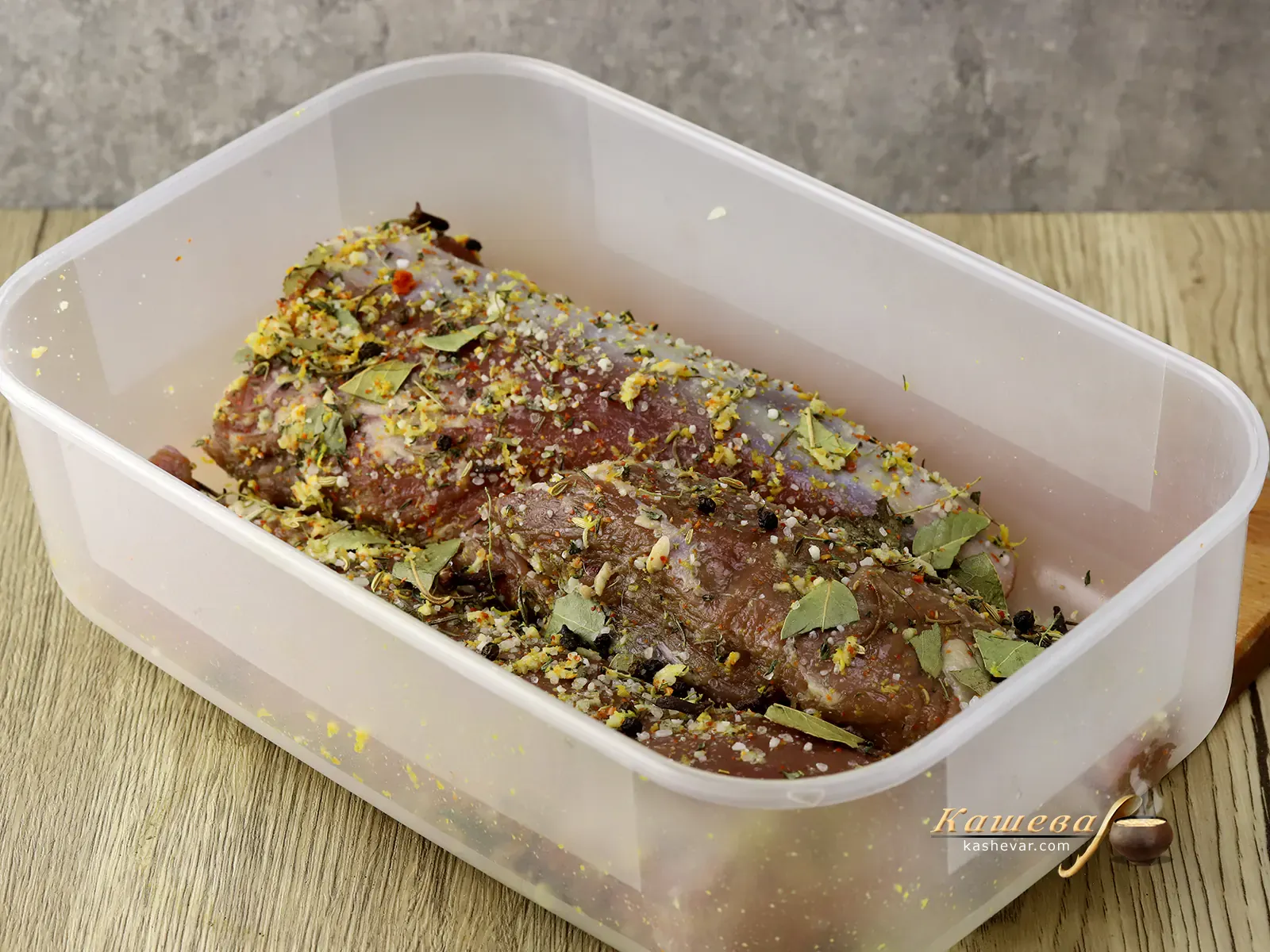
Prepare the Spices and Salt the Meat
Remove the zest from the lemon and orange using only the upper aromatic layer. Grate the garlic break the bay leaf and strip the leaves from the herbs. Mix regular and nitrite salt with all the spices. Thoroughly rub the mixture into the meat on all sides. Place the tenderloin in a container cover and keep in the refrigerator for 4 days turning occasionally for even salting.
Step Title
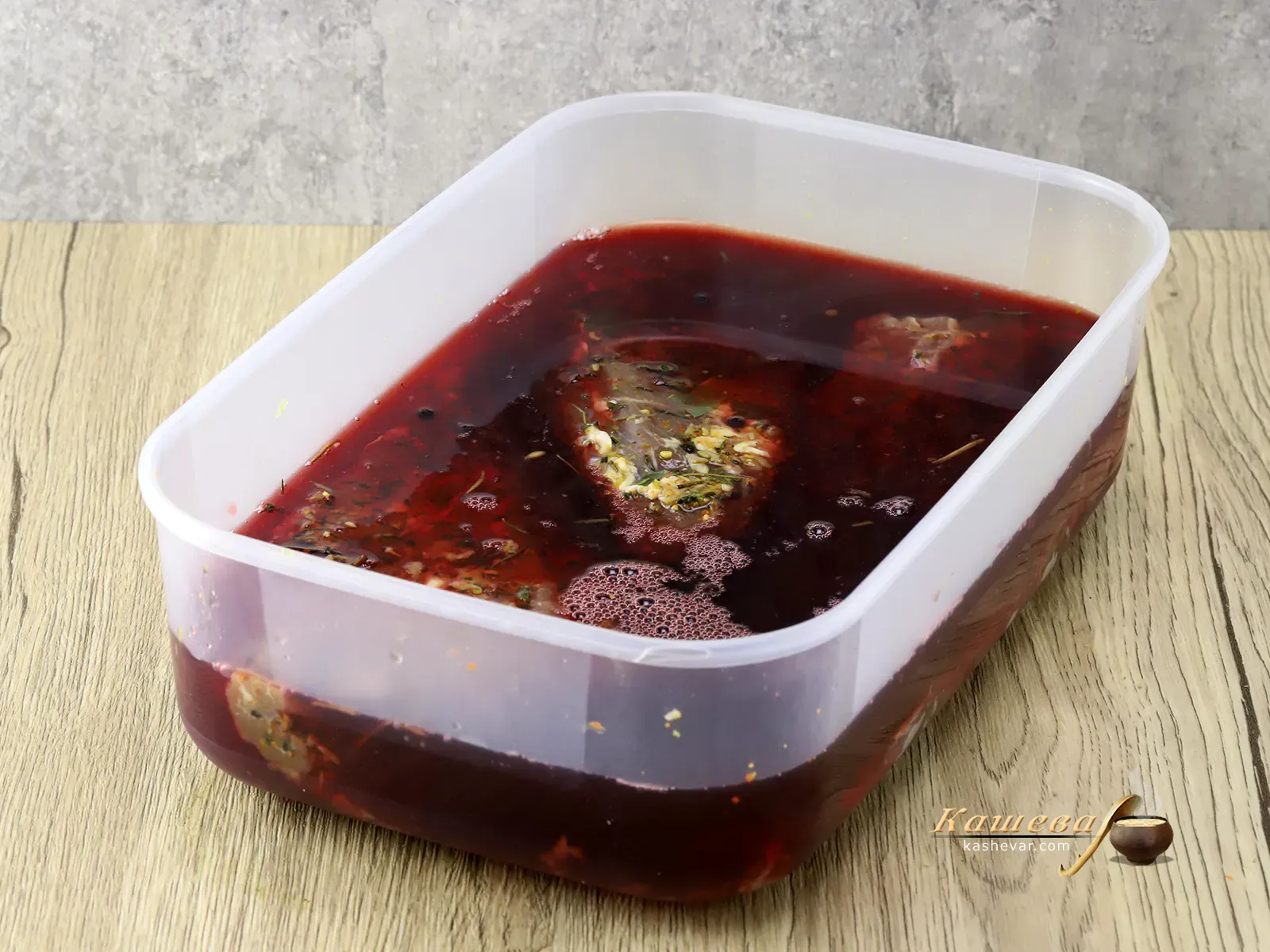
Marinate in Wine
After 4 days remove the meat and pour dry red wine over it. Use any quality dry wine without pronounced sweetness. Cover the container and return to the refrigerator for 5 days turning the meat regularly so it absorbs the marinade evenly.
Step Title
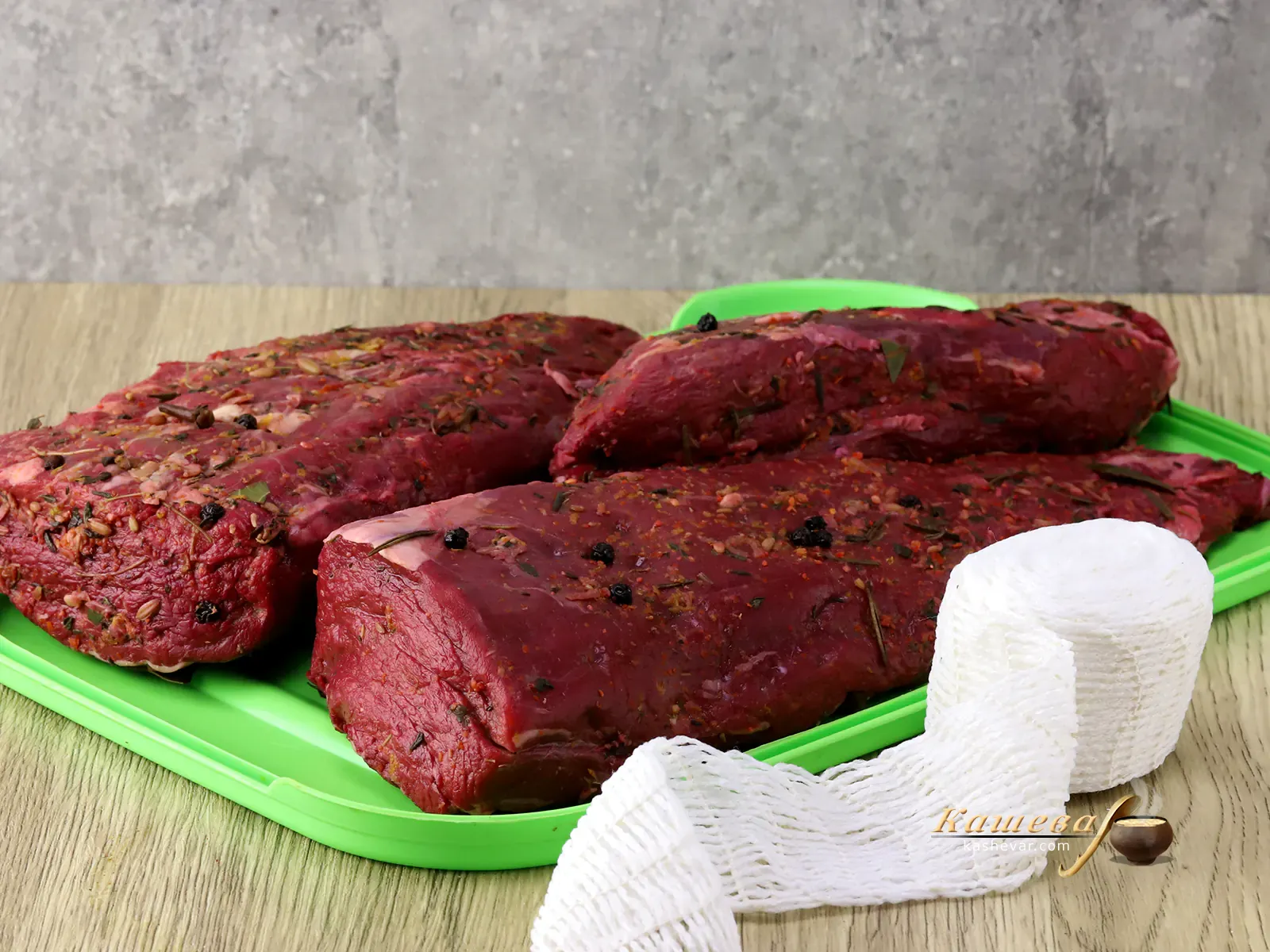
Prepare for Curing and Age
On the sixth day remove the tenderloin from the container. Do not rinse it just remove the spices by hand and pat dry with a towel. Wrap the meat in cheesecloth or place it in a special net tie the ends and weigh it recording the weight. Hang to cure in a refrigerator without a no frost system or in another cool place with moderate humidity. After 5 days remove the cheesecloth. Cure for 6-8 weeks until 30-40% of the initial weight is lost.
Tips for Bresaola with Citrus
-
Monitor the temperature and humidity during curing. The optimal temperature is 2-6°C (35-43°F) with moderate air circulation. Excessive dryness will lead to the formation of a hard crust that prevents even moisture release from the center of the piece.
-
Use nitrite salt in precise dosage. It stabilizes the color of the meat prevents the development of undesirable microflora and forms the characteristic flavor. Exceeding the norm may negatively affect safety and taste.
-
Regularly check the condition of the meat surface. The appearance of a thin white coating is considered normal. If green or dark spots appear treat the surface with a vinegar solution dry and continue curing under proper conditions.