Chickpeas with Curry and Tomato

210 kcal
Chickpeas with Curry and Tomato is a thick, rich chickpea dish. Lemon juice is desirable as it refreshes the dish very well. As herbs, it is good to use celery leaves, cilantro or mint – they also complement chickpea dishes wonderfully. Serve this dish with slightly toasted white bread or a baguette. Lavash or tortilla is also excellent.
Ingredients for Chickpeas with Curry and Tomato
How to Make Chickpeas with Curry and Tomato
Step Title
Preparing and Cooking Chickpeas
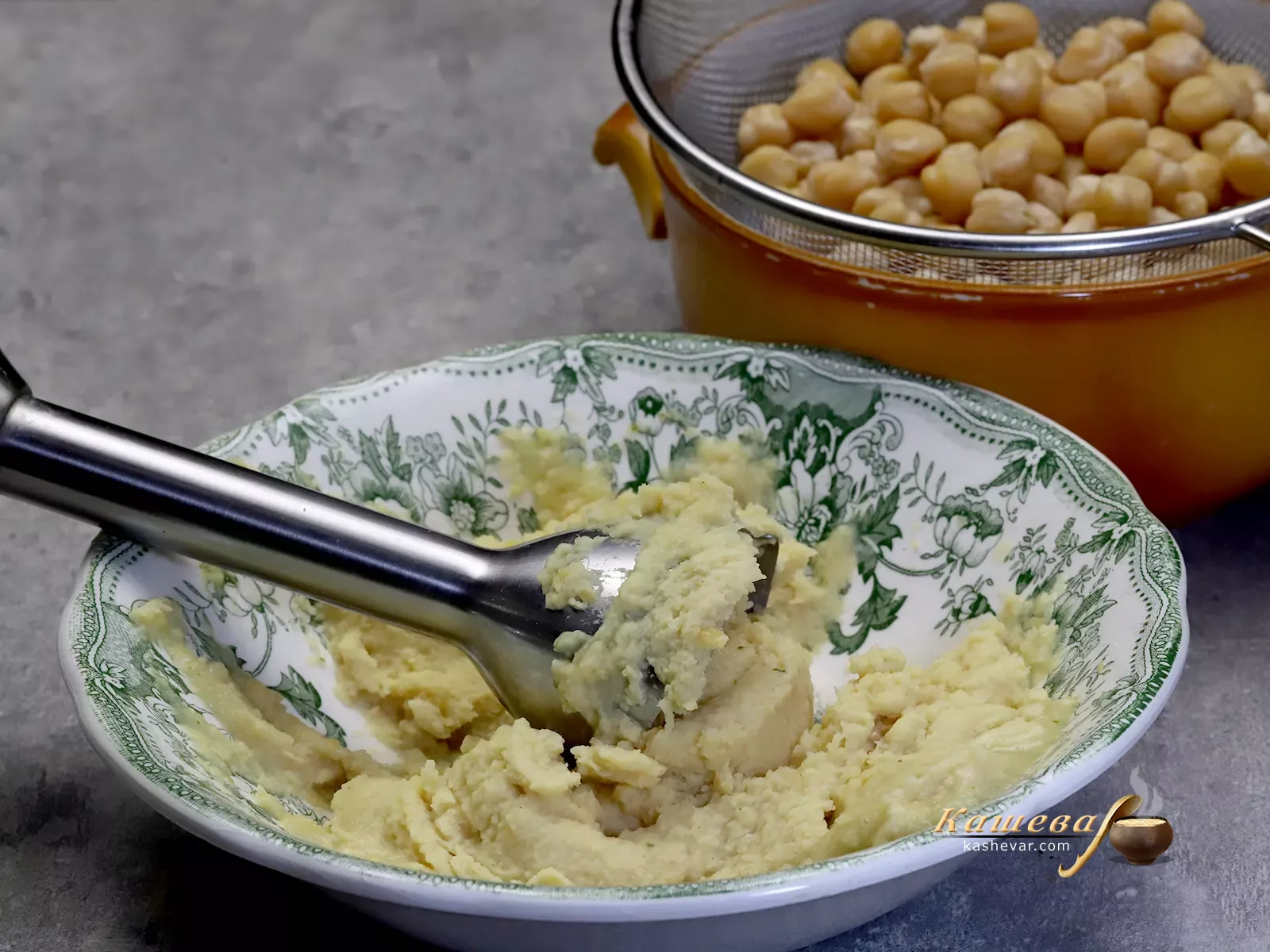
Soak the chickpeas in plenty of cold water overnight so the grains swell evenly and cook faster. In the morning, drain the water, rinse the chickpeas, pour in fresh cold water and place over high heat. When the water boils, reduce the heat and cook until soft, making sure the chickpeas stay whole and do not overcook. Blend half of the hot chickpeas with half of the butter and a small amount of broth until creamy to create a thick base for the sauce.
Step Title
Preparing the Vegetable Sauté
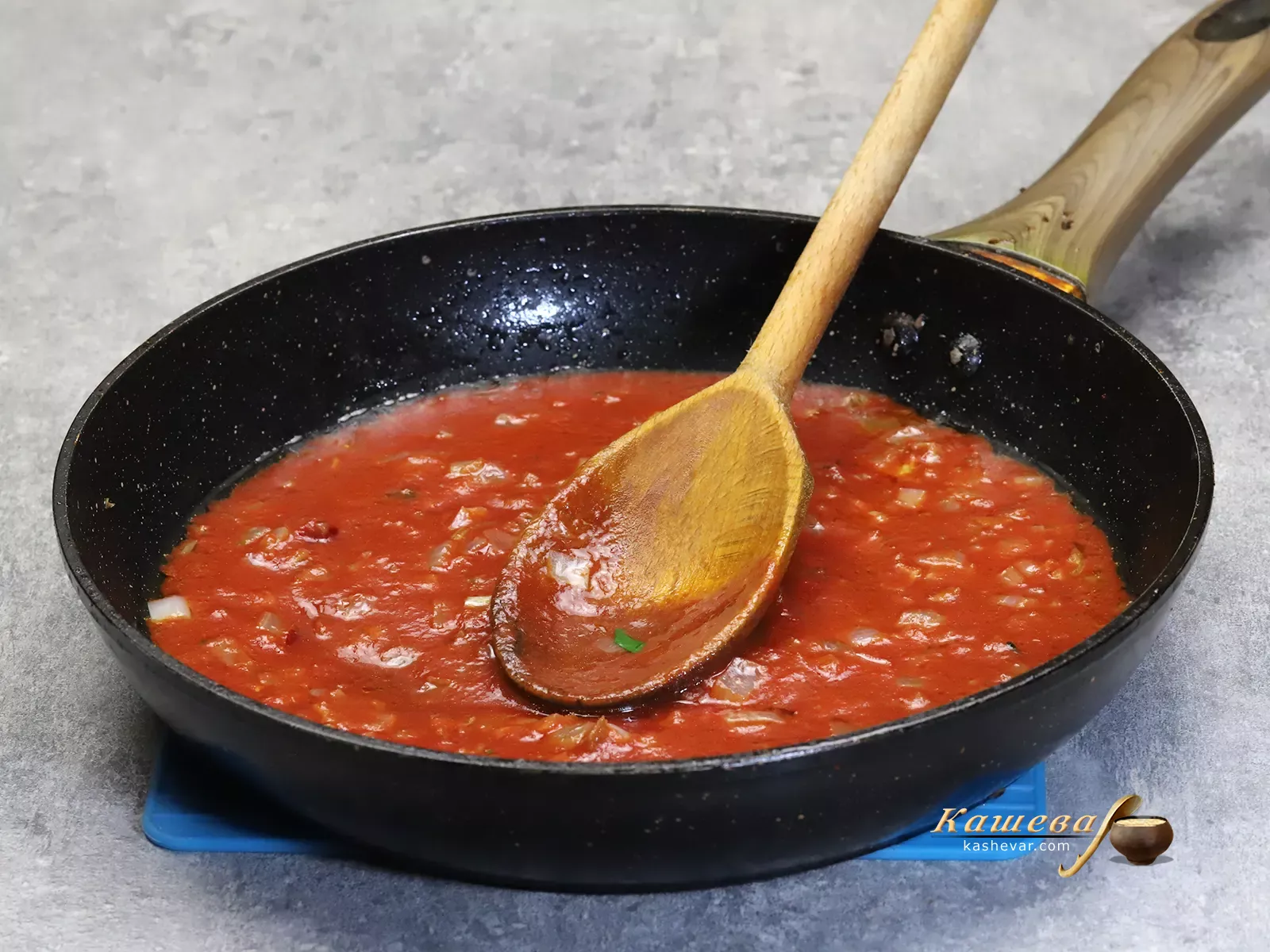
Finely chop the onion, garlic, hot pepper and ginger for even heating and flavor release. Add butter and vegetable oil to a pan and heat until melted. Add the garlic, ginger and hot pepper and fry briefly so the fats absorb their aroma. After a few seconds, add the onion and sauté until translucent without browning. Add tomato paste diluted in broth, sprinkle in curry and salt, mix well and heat to let the spices open their flavor in the sauce.
Step Title
Combining Chickpeas with Tomato Sauce
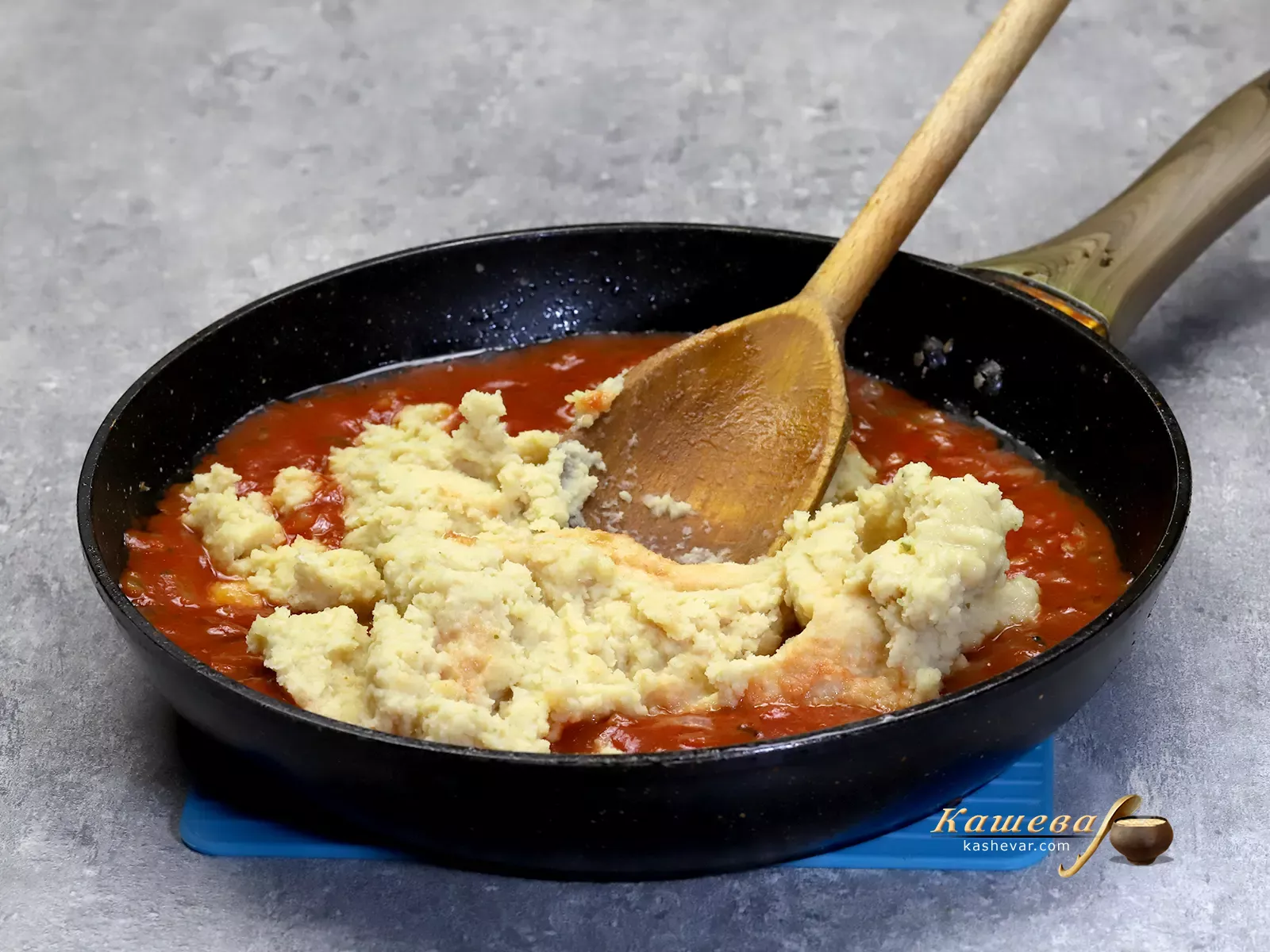
Pour the chickpea puree into the sauce and mix into a smooth thick mass. Add the whole cooked chickpeas, mix again so the grains distribute evenly in the sauce, and cook for a few minutes over low heat, allowing the dish to thicken slightly. At the end, add lemon juice for a fresh tang and balanced flavor, and if needed, add more broth if the texture seems too thick. Before serving, sprinkle the dish with finely chopped celery leaves.
Tips for Chickpeas with Curry and Tomato
-
Choose high-quality dried chickpeas without damaged or darkened grains. Soak them in plenty of cold water for at least 8-10 hours so the beans absorb enough moisture and cook evenly. After soaking, always drain and rinse the chickpeas to reduce excess starch and remove any off-odors. Cook over low heat after boiling without adding salt so the grains do not remain hard inside. Properly cooked chickpeas should be soft but keep their shape; part will be used for puree and part will keep a pleasant texture in the finished dish.
-
Monitor the frying of garlic, ginger and hot pepper, as these ingredients burn quickly and may make the dish bitter. Add them to the hot mixture of butter and oil only for a few seconds, then immediately add the onion to lower the temperature and stabilize the process. Sauté the onion until soft and translucent without letting it reach dark brown. Heat the tomato paste in the broth with the spices to remove excess acidity and raw taste. This approach gives the sauce a deeper flavor and better balance.
-
Adjust the thickness of the dish by gradually adding broth after combining the chickpea puree and whole chickpeas. As it heats, the puree naturally thickens, so it is better to reach the desired consistency at the end of cooking. For serving with lavash, tortilla or toasted bread, it's convenient to keep the chickpeas especially thick so the sauce does not run. If planning to serve with rice or other sides, you can make it slightly thinner. Add lemon juice at the very end to preserve its fresh acidity and highlight the spice aroma, and chop the celery leaves right before serving for maximum fragrance.