Traditional Easter Lamb Cake (Osterlamm)

429 kcal
Traditional Easter lamb cake (Osterlamm) – Easter is coming soon and everyone is thinking about what interesting dish to prepare. Many people around the world have their own traditional dishes. Osterlamm is a tradition of Franconia, federal states of Bavaria, a recipe belonging to german cuisine. This is a very ancient tradition that is a mandatory attribute for Easter. The cake is made from sweet batter and baked in a special mold that gives the pastry the shape of a lamb. The lamb is decorated quite simply; it is dusted with powdered sugar. You can, of course, prepare sugar icing with added coloring and decorate it, but this is not necessary.
Ingredients for Traditional Easter Lamb Cake
How to Make Traditional Easter Lamb Cake
Step Title
Preparing Eggs
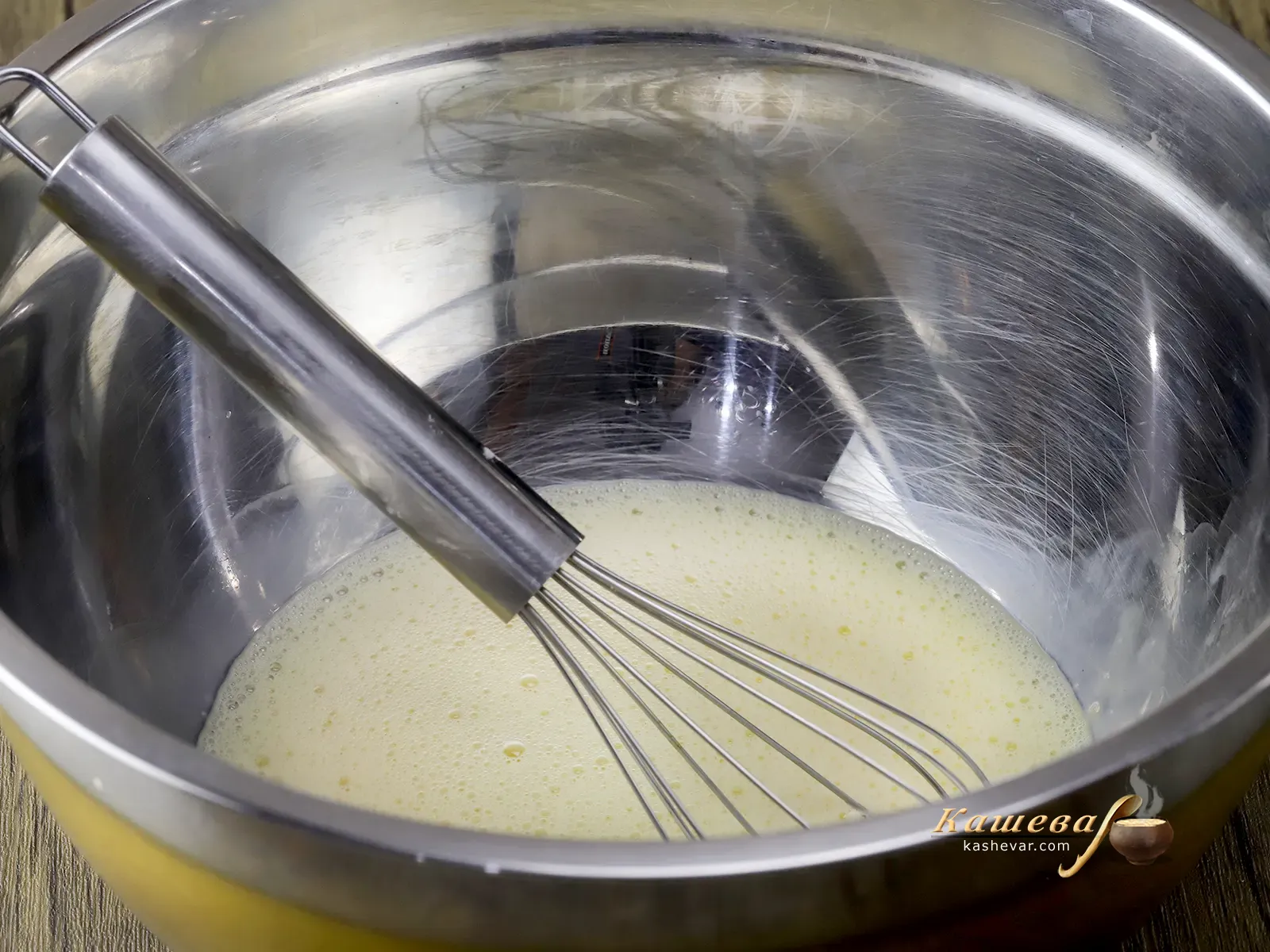
This recipe is very simple. Some cooks put all the ingredients into a bowl at once and mix them. But I prefer to mix dry ingredients separately. Beat the eggs with a pinch of salt until light foam forms. Do not beat too much, not to stiff peaks. You can use a mixer or beat with a regular whisk.
Step Title
Mixing Dry Ingredients
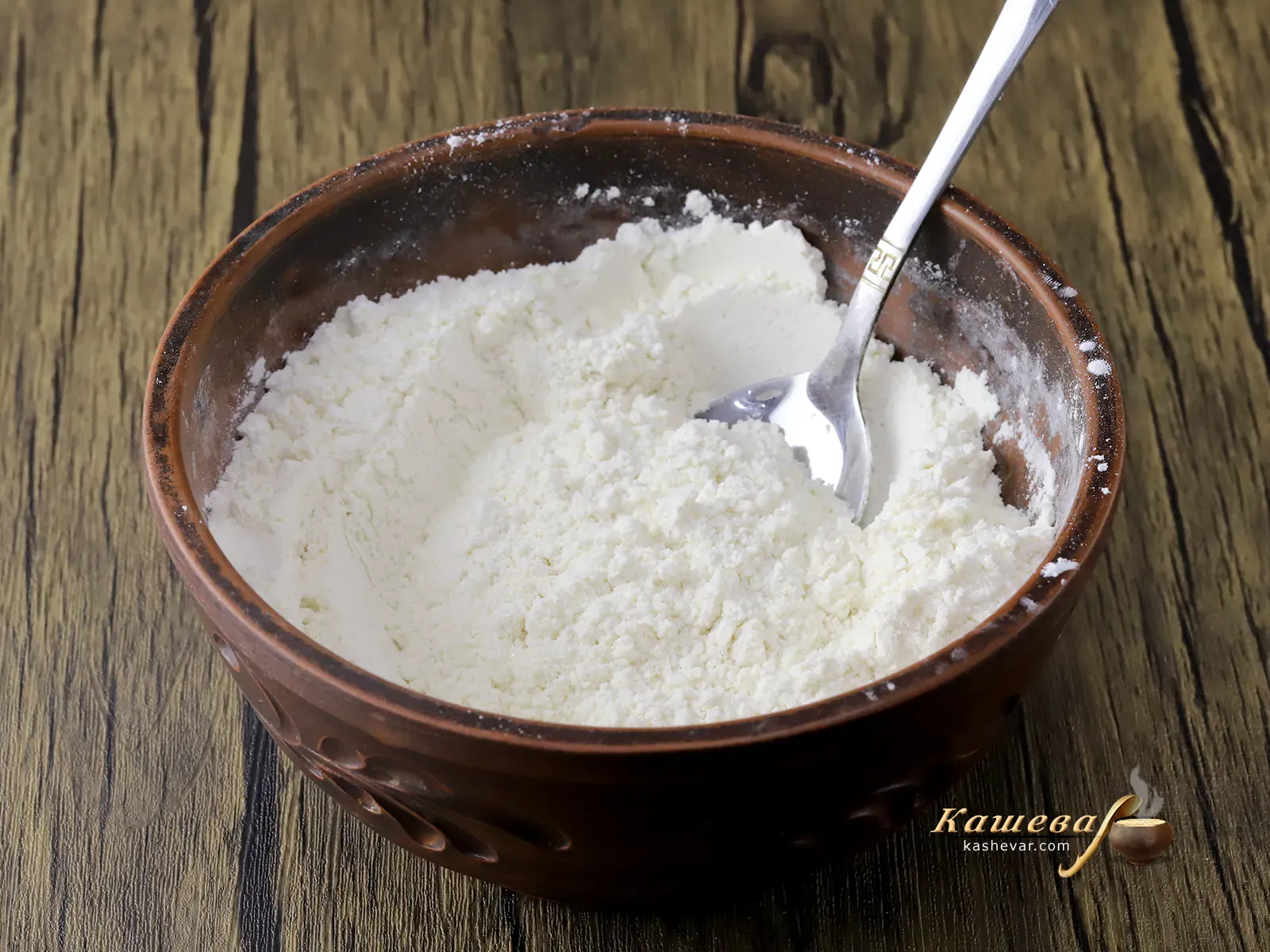
Mix flour, baking powder, corn starch and vanilla sugar in a separate bowl. If you are worried that the sugar will dissolve poorly, it can be added to the eggs and beaten together with them.
Step Title
Forming the Batter
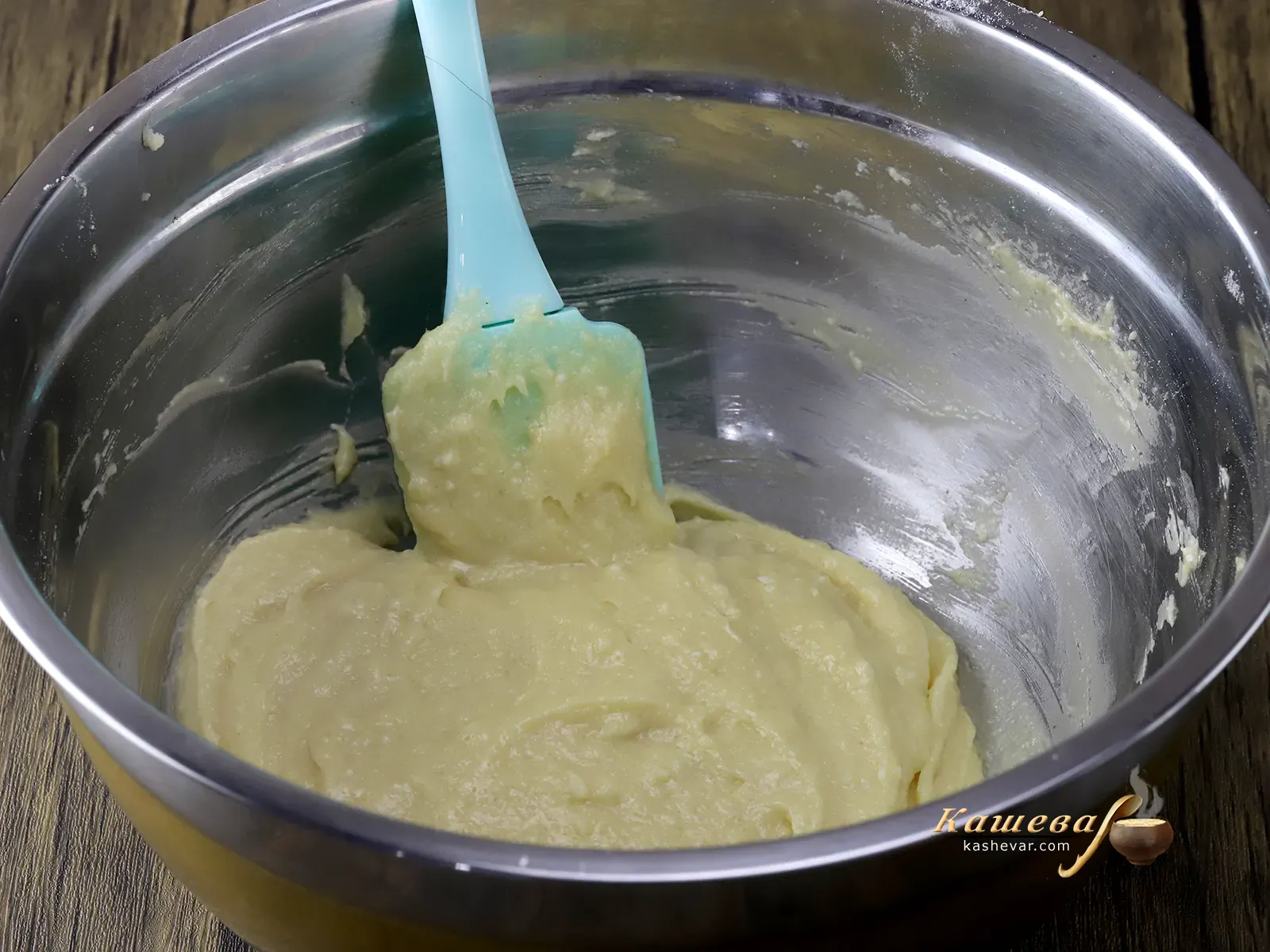
Rub the softened butter with the dry ingredients. Add the beaten eggs and mix until smooth. The batter should not be too runny, but it should not be stiff either. You can also add 10 drops of rum flavoring for aroma.
Step Title
Preparing the Mold and Oven
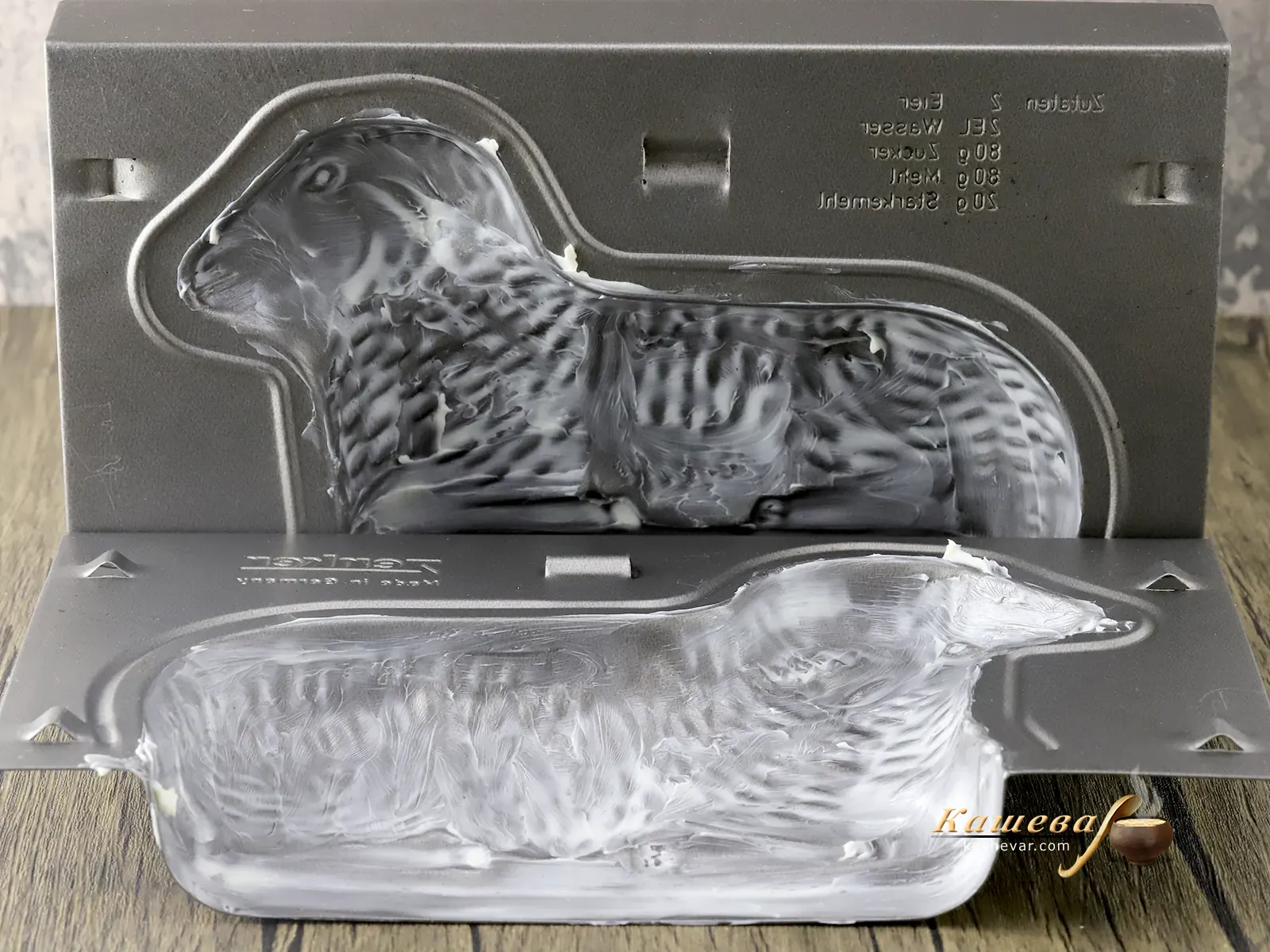
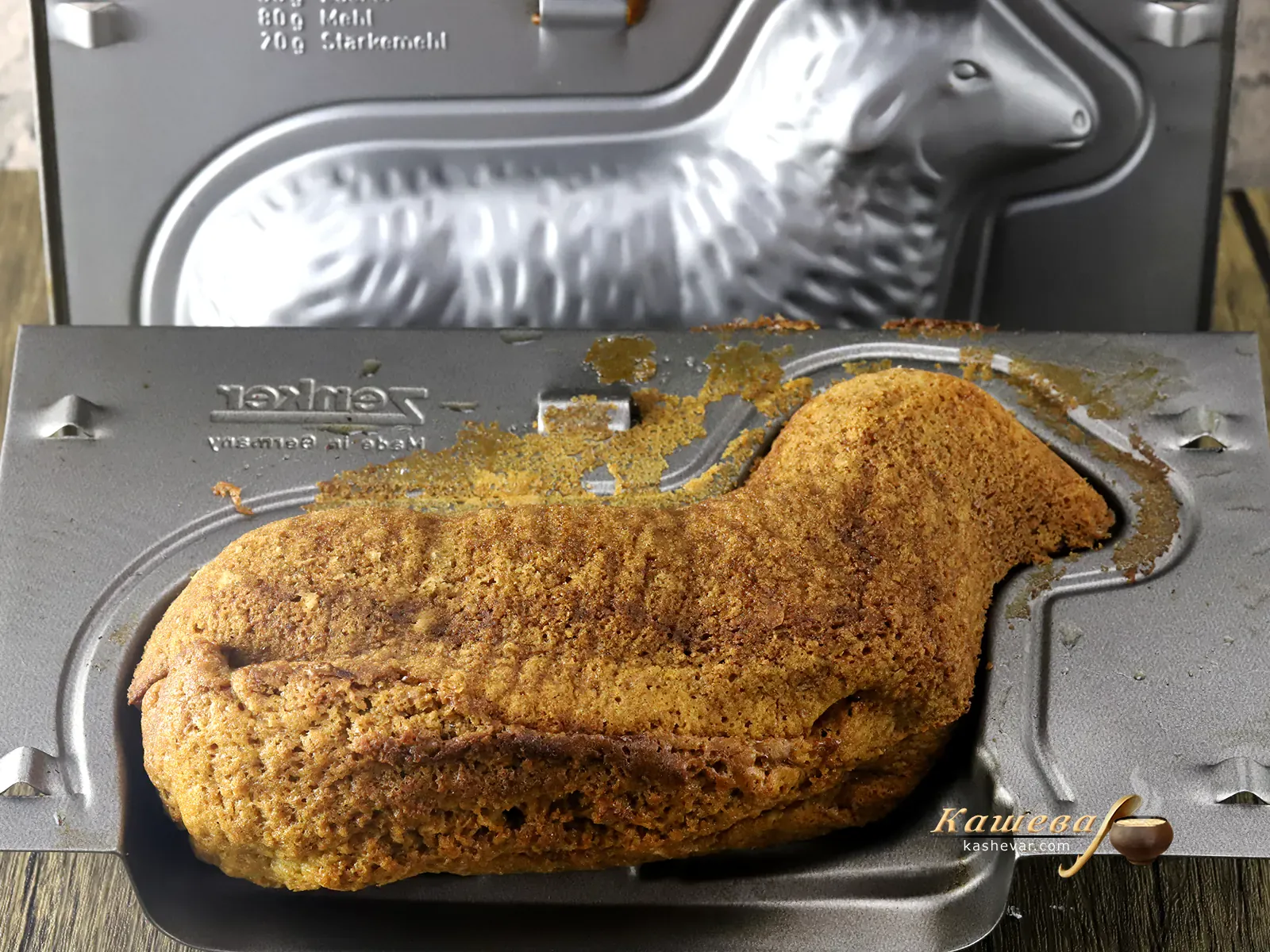
While you are mixing the ingredients, preheat the oven to 180°C (356°F). Separate the lamb mold and grease it thoroughly with butter, especially all the small recesses, so the pastry can be easily removed after baking. This is a traditional mold for an Easter lamb in Franconia.
Step Title
Baking the Lamb
Assemble the greased mold and place the prepared batter into it. It is better to place it with a spoon, starting from the head, so the batter fills all the recesses well. After filling, gently tap the mold on the table so the batter distributes evenly. Bake the lamb for 35 minutes. Do not remove the lamb from the mold immediately, let it cool. To make the lamb stand, cut off the lower convex part. Sprinkle the completely cooled lamb with powdered sugar.
Tips for Making Traditional Easter Lamb Cake
-
To achieve an even batter structure, all ingredients should be at room temperature. This ensures better emulsification of butter and eggs and helps avoid batter separation during mixing. This is especially important for butter, which should be soft but not melted.
-
The mold must be greased very thoroughly, paying attention to small details. Insufficient greasing may cause the batter to stick and damage the finished product during removal. For additional reliability, you can dust the mold with a thin layer of flour after greasing.
-
Baking control is important to preserve shape and texture. Do not open the oven during the first 20 minutes to avoid the batter collapsing. Check readiness with a wooden skewer – it should come out dry, indicating proper baking.